

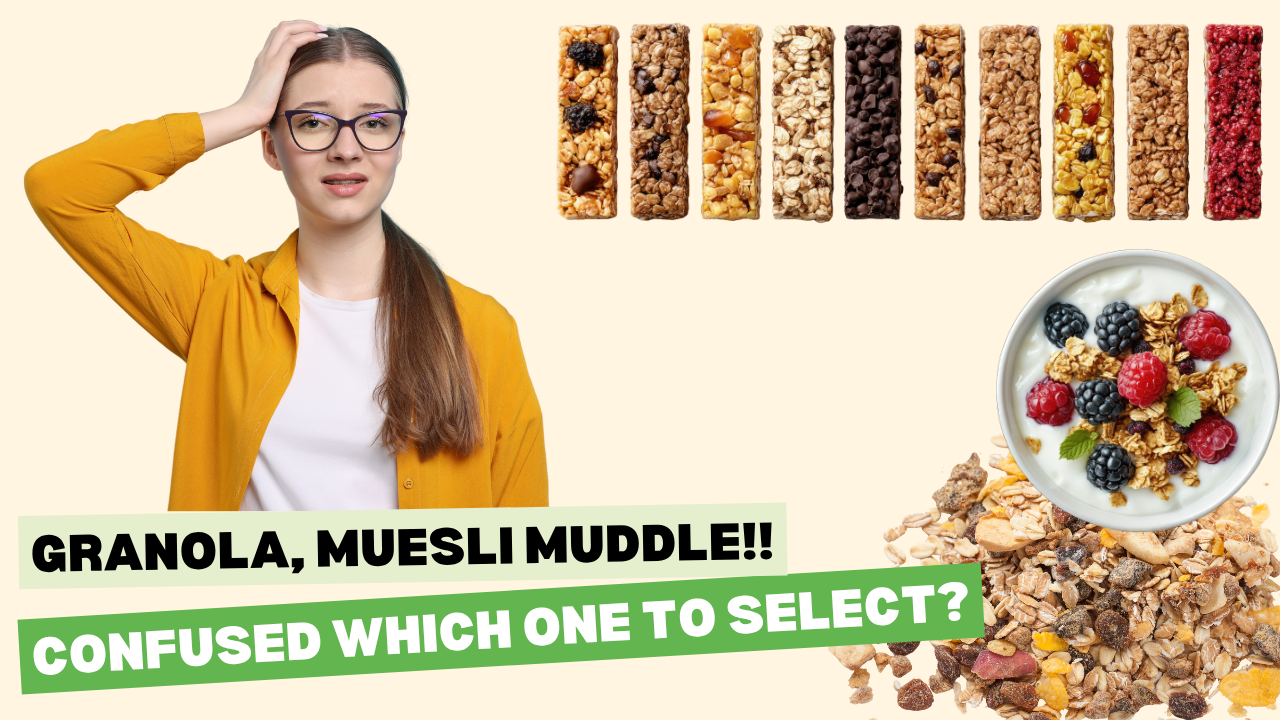
High-protein and granola (high fibre) is a combination made in heaven! Granola can absolutely be a healthy addition to your routine if chosen carefully.
They’re convenient, portable, require no cooking, and are easy to pair with yoghurt, milk, or fruit, making them ideal for busy mornings, travel, or quick work breakfasts.
Granola can provide:
However, not all “high protein” Granola are created equal.
Many are high in added sugars, energy-dense, and boosted with protein isolates rather than whole-food sources.
If you’ve ever stood in the cereal aisle staring at “high protein” labels and wondering what actually counts, you’re not alone. In Australia, high-protein Granola options range from genuinely protein-packed blends to products that are mostly oats with a sprinkling of seeds and a flashy front-of-pack claim.
That is why I went to the supermarket to compare some of the most popular high-protein Granola options, breaking them down per 100 g, not per serve. Per-serve comparisons can be misleading because serving sizes are set by manufacturers not by a universal standard. That means brands can manipulate portion sizes to make their product appear healthier on paper.; per 100 g reveals the true nutritional profile.
Products Compared
Nutrition Comparison (Per 100 g)
| Product | Protein | Sugar | Fibre | Dietitian Insight |
| Kellogg’s High Protein | 24g | 10 g | 14 g | Strong protein but relatively high sugar |
| Carman’s Protein Clusters | 17 g | 18 g | 5.2 g | Energy-dense, moderate protein |
| Red Tractor Protein | 20 g | 8 g | 7 g | High protein, high fibre, lower sugar |
| Sunsol Low Sugar | 13 g | 1.8 | 10.3 g | Lower protein but good fibre |
| Sunsol High Protein | 22 g | 7 g | 18 g | Good protein, sugar on the higher side |
| Heritage Mill Protein | 8.8 | 15.6 g | 7.3 g | Higher sugar, moderate protein |
| Heritage Mill Fruit & Nut | 11 g | 10.2 g | 9.5 g | Traditional granola is not truly high-protein |
Dietitian Breakdown
1. Protein Content
For a cereal to genuinely qualify as high protein, I look for at least 20 g of protein per 100 g.
Products meeting this benchmark:
However, protein alone is not enough to determine overall quality.
2. Sugar Content
Granola can quickly shift from a nutritious breakfast to something closer to dessert if sugar levels are high.
As a general guide, below 10 g sugar per 100 g is ideal, above 15 g per 100 g is considered high
Lowest sugar option:
Highest sugar options:
For individuals managing insulin resistance, PCOS, weight, or blood sugar levels, this distinction matters significantly.
3. Fibre and Gut Health
Fibre is non-negotiable. I look for at least 8–10 g fibre per 100 g.
Best fibre profiles:
Adequate fibre supports:
Higher fibre granolas are generally more metabolically supportive.
4. Ingredient Quality
When reviewing ingredient lists, I assess:
Red Tractor stands out for a lower sugar content, higher fibre, wholegrain oats, and a simpler ingredient profile.
Some other brands rely more heavily on added sugars and protein isolates to elevate protein numbers while increasing sweetness.
The Dietitian’s Verdict
What To Look For When Buying High-Protein Granola
High protein alone does not automatically make a cereal healthy. Fibre quality and sugar content are equally important.
Easy Ways to Include Granola in a Balanced Way
Granola can fit into a healthy eating pattern when paired correctly and portioned mindfully.
Instead of eating granola on its own:
1. Combine it with these protein sources:
This improves satiety and supports stable blood sugar.
2. Add Fresh Fruit
Fruit adds natural sweetness and additional micronutrients and fibre
3. Control the Portion
Final Takeaway
Granola can be convenient, nutritious, and satisfying when chosen wisely.
The key is to: Choose carefully, Pair smartly, Portion consciously.
If your goals include weight management, PCOS support, insulin resistance management, or blood sugar balance, prioritise lower sugar and higher fibre over flashy “high-protein” claims and then boost protein the easy way by pairing your granola with Greek yoghurt, high-protein milk, or a sprinkle of nuts and seeds. That way, you get the best of both worlds: satisfaction and better metabolic support.
Disclaimer: The information provided in this blog is sourced from research articles and reputable websites. However, as each individual’s body and health needs are unique, it is essential to consult with your doctor, dietitian, or healthcare provider for personalised advice and plans tailored specifically to your condition.
Acknowledgement: I would like to extend my heartfelt gratitude to our CEO, Purva Gulyani – Accredited Practising Dietitian, for providing me with the opportunity to contribute to this blog. Your valuable feedback, along with your time spent proofreading and editing, has greatly enhanced the quality of this work. Your guidance and support are truly appreciated.

Purva Gulyani – an Accredited Practising Dietitian and lifelong member of the Indian Dietitian Association. Currently pursuing PhD at Latrobe University. Purva brings over 16+ years of clinical dietitian experience to the table.


Commence your transformative journey to wellbeing today, taking the initial stride towards a healthier, happier you. Embrace constructive alterations that lead to a brighter and more vibrant future.
