

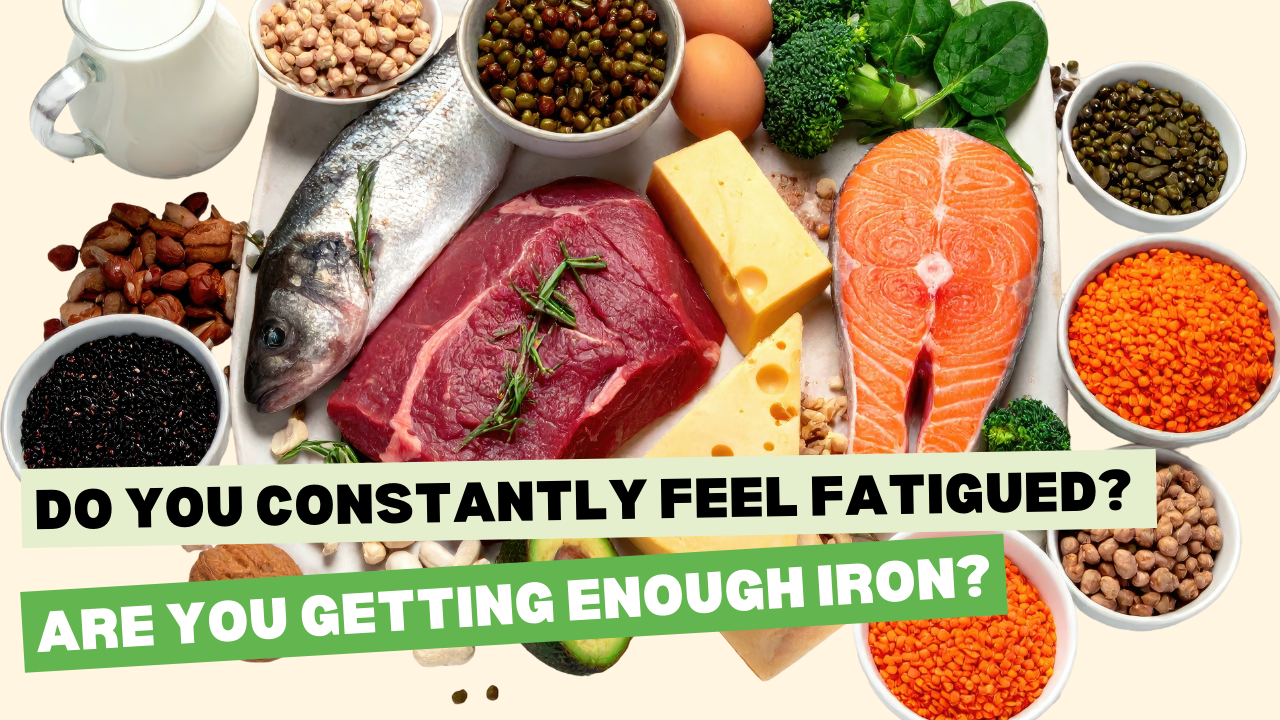
Why is Iron Important?
Iron is a nutrient that plays many important roles in your body, including keeping you healthy and full of energy. It’s a vital mineral to the proper function of hemoglobin, a protein needed to transport oxygen in the blood. Iron also supports brain and nerve development in infants and children.
There are two forms of iron in the diet: heme and nonheme iron:
What causes lack or iron?
When iron deficiency is found it is important to find the reason. The main reasons include inadequate intake of iron to meet the body’s needs, inadequate absorption of iron from the intestine, or loss of iron through blood loss.
Iron deficiency can sometimes be a sign of a serious underlying disease. It is important to see your doctor so that they can work out the cause of your iron deficiency.
What is Iron Deficiency anemia?
Without enough iron, the body is not able to make enough hemoglobin or red blood cells, leading to anemia. Iron deficiency anemia is the most common nutritional deficiency in children. Iron deficiency can result in developmental delays, reduced intellectual functioning, and reduced exercise ability.
Symptoms and conditions associated with iron deficiency:
Many people with iron deficiency anaemia only have a few symptoms. The severity of the symptoms largely depends on how quickly anaemia develops.
The most common symptoms include:
Less common symptoms include:
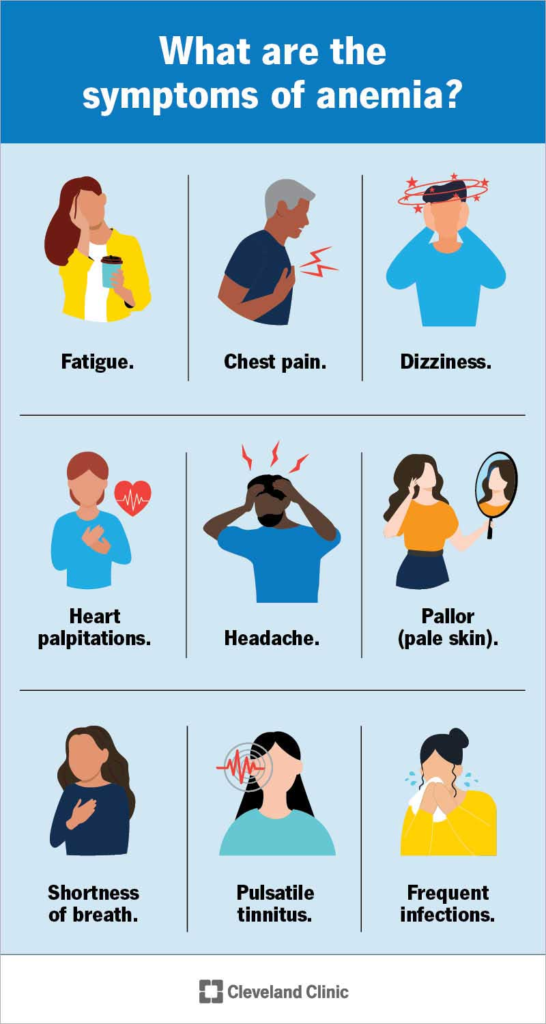
Image credits: Cleveland Clinic
Conditions associated with iron deficiency:
Gluten sensitivity and iron deficiency are commonly found together. Gluten can contribute to iron deficiency in several ways. Malabsorption of iron is often a consequence of damage to the small intestine (villous atrophy). Additionally, gluten can damage the acid producing cells of the stomach. Since acid is a necessary component for iron absorption, this commonly leads to anemia.
Food sources:
Animal sources of Iron:
Plant-based sources of Iron:
Healthy Plate Template
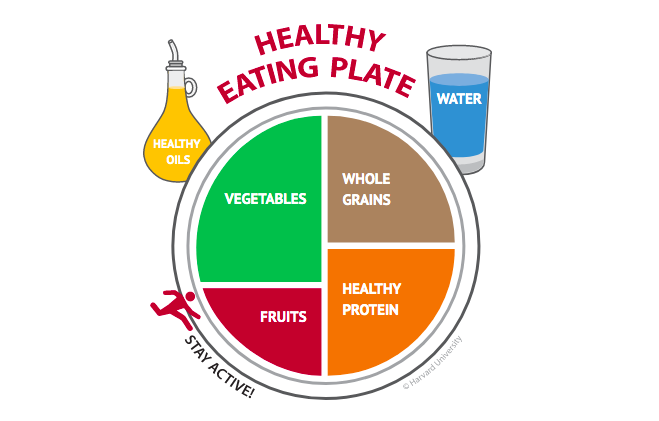
It is recommended to use the Healthy Eating Plate as a guide for creating healthy, balanced meals.
To build a healthy eating template make sure you add
Vegetables and fruits – ½ of your plate.
Aim for colourful and variety, and remember that potatoes don’t count as vegetables on the Healthy Eating Plate because of their negative impact on blood sugar.
Whole grains – ¼ of your plate.
Whole and intact grains—whole wheat, barley, wheat berries, quinoa, oats, brown rice, and foods made with them, such as whole wheat pasta—have a milder effect on blood sugar and insulin than white bread, white rice, and other refined grains.
Protein source – ¼ of your plate.
Fish, poultry, beans, and nuts are all healthy, versatile protein sources—they can be mixed into salads, and pair well with vegetables on a plate. Limit red meat, and avoid processed meats such as bacon and sausage.
Healthy Plant oils – in moderation.
Choose healthy vegetable oils like olive, canola, soy, corn, sunflower, peanut, and others, and avoid partially hydrogenated oils, which contain unhealthy trans fats.
Remember to drink water and skip sugary drinks and stay active.

Purva Gulyani – an Accredited Practising Dietitian and lifelong member of the Indian Dietitian Association. Currently pursuing PhD at Latrobe University. Purva brings over 16+ years of clinical dietitian experience to the table.


