

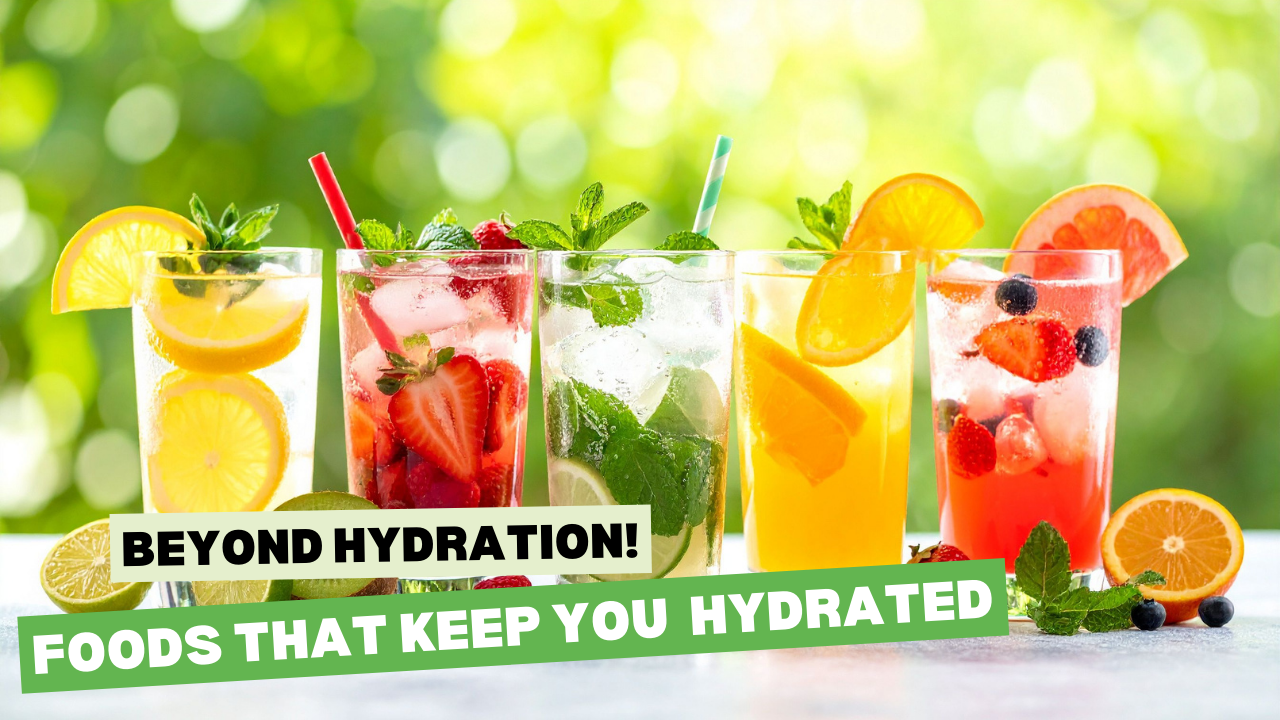
When we think about hydration, most of us picture a tall glass of water. And while drinking enough water is essential, research shows something surprising: up to 20–25% of your daily hydration actually comes from food. Yes, what’s on your plate can contribute almost as much as what’s in your bottle.
In this blog, we dive into how food keeps you hydrated, what science says about hydrating foods, and how you can use this knowledge to feel more energised, less fatigued, and better balanced throughout your day especially important in the context of GLP medications and appetite changes.
Water Isn’t the Only Way to Hydrate
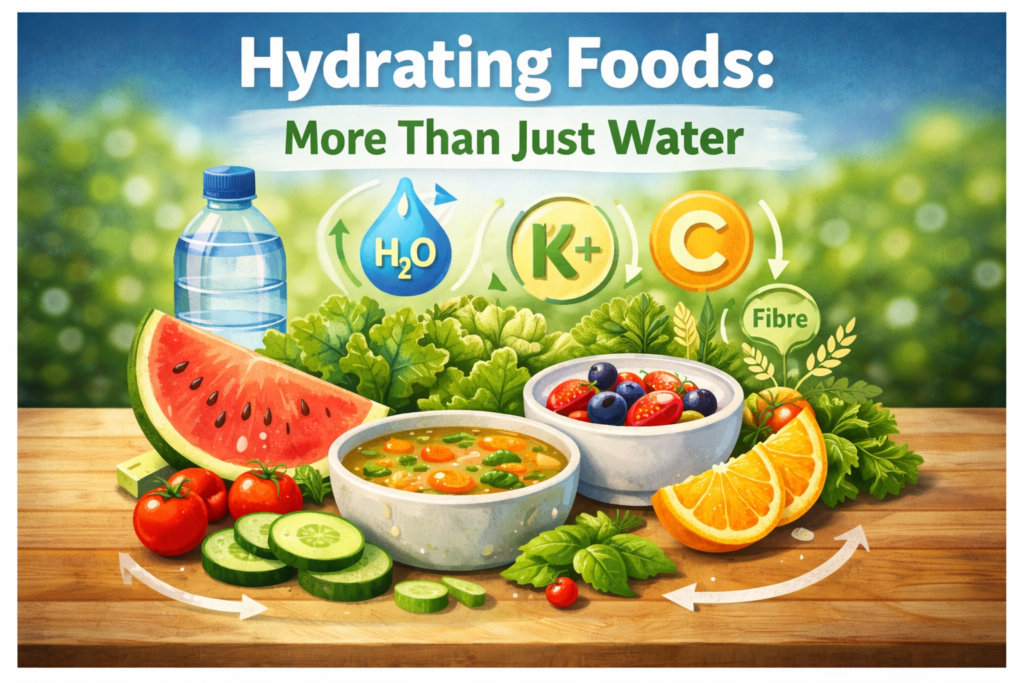
Water-rich foods think watermelon, oranges, cucumber, tomatoes, soups do more than just quench thirst. They deliver water along with electrolytes, natural sugars, fibre, vitamins, minerals, and protective antioxidants.
These co-nutrients (salts, carbohydrates, and proteins) improve fluid absorption and help your body retain fluids more effectively than plain water alone. This is why a bowl of fruit, yoghurt, or a broth-based soup can sometimes hydrate you more efficiently than water by itself.
Many of these foods are also rich in polyphenols and vitamin C, which help reduce oxidative stress something particularly relevant when the body is under metabolic strain.
Why Hydration Is Even More Important While on GLP Medication
Medications such as Semaglutide (commonly known under brands like Ozempic and Wegovy) and Tirzepatide (brand: Mounjaro) work by slowing gastric emptying, reducing appetite, and improving blood glucose regulation.
While highly effective for weight loss and type 2 diabetes management, they often come with side effects such as:
Because GLP medications reduce hunger and slow digestion, many individuals unintentionally drink less water and eat smaller portions. This increases the risk of mild dehydration and constipation two very common concerns in clinical practice.
This is where hydrating foods become strategically important.
Instead of relying only on drinking more water (which may feel uncomfortable if nausea is present), incorporating water-rich, fibre-containing foods can:
Hydrating foods offer fluids in smaller, easier-to-tolerate portions making them particularly useful for individuals on GLP therapy.
Why Hydrating Foods Matter
1. They Boost Total Daily Hydration
Studies consistently show that water from food contributes significantly to overall hydration. In many populations, especially children and older adults water-rich foods can be the difference between being well-hydrated and mildly dehydrated.
A study in Chinese adults found that total water intake, including water from fruits, vegetables, and soups, was strongly tied to hydration status measured through urine markers.
For someone eating smaller portions (such as on GLP therapy), choosing high-moisture foods becomes even more critical.
2. They Improve Diet Quality at the Same Time
Water-rich foods tend to be nutrient-dense. Research shows that people who consumed more moisture from foods had better micronutrient profiles overall including vitamins and minerals measured directly in blood serum.
Hydrating fruits and vegetables are also rich in antioxidants and polyphenols, which support metabolic health, reduce inflammation, and may assist with insulin sensitivity highly relevant for individuals managing weight or blood glucose.
In simple terms: eat hydrating foods, and you’re also nourishing your body more deeply.
3. They Support Hydration in Children
Children often forget to drink water, but research shows they can partially “eat their water.” Higher fruit and vegetable intake has been linked to better hydration in school-aged children.
Small additions — like fruit in the lunchbox or vegetables with meals — can make measurable differences.
4. They Help Maintain Hydration During Exercise
Research on the Beverage Hydration Index shows that fluids containing electrolytes, carbohydrates, or protein tend to stay in the body longer than plain water.
That’s why yoghurt, milk, smoothies, and soups can sometimes hydrate more effectively particularly if you’re exercising, sweating, or spending time in heat.
For individuals on GLP medications who may feel fatigued, maintaining electrolyte balance becomes especially important.
So, What Foods Are Naturally Hydrating?
High-Water Fruits
These fruits provide water, natural sugars for quick energy, fibre for gut health, and antioxidants like vitamin C and flavonoids.
High-Water Vegetables
These vegetables are rich in water, potassium, carotenoids, and polyphenols that support cellular hydration and reduce oxidative stress.
Soups and Broths
Excellent during colder months, illness recovery, or periods of low appetite. They provide hydration plus electrolytes.
Yoghurt and Milk
Contain protein, calcium, potassium, and fluids especially useful post-exercise or when appetite is low.
Smoothies
Blend fruit + vegetables + yoghurt for hydration, fibre, antioxidants, and sustained energy — particularly helpful when solid meals feel heavy on GLP therapy.
Practical Hydration Tips (Especially Helpful on GLP Medications)
Small, consistent additions are more sustainable than forcing litres of water.
What This Means for You
Hydration doesn’t have to feel like a chore.
If your appetite is reduced whether due to lifestyle changes or medications like GLP agonists focus on eating foods that naturally contain water, fibre, electrolytes, and antioxidants.
Hydrating foods create a more efficient, balanced way to support:
Final Thoughts
Staying hydrated is about more than gulping water it’s about building a hydration-friendly diet.
Hydrating foods combine fluids with electrolytes, vitamins, minerals, fibre, natural sugars, and protective polyphenols to create a more sustainable hydration strategy.
Next time you reach for a drink, consider reaching for a juicy fruit or a veggie-packed meal too.
Your body will thank you — especially if you’re navigating appetite changes or GLP therapy.
Disclaimer
The information provided in this blog is sourced from research articles and reputable sources. However, as each individual’s body and health needs are unique, it is essential to consult with your doctor, dietitian, or healthcare provider for personalised advice tailored to your condition particularly if you are taking GLP medications.
Acknowledgement
I would like to extend my heartfelt gratitude to our CEO, Purva Gulyani – Accredited Practising Dietitian, for providing me with the opportunity to contribute to this blog. Your valuable feedback, along with your time spent proofreading and editing, has greatly enhanced the quality of this work. Your guidance and support are truly appreciated.
References

Purva Gulyani – an Accredited Practising Dietitian and lifelong member of the Indian Dietitian Association. Currently pursuing PhD at Latrobe University. Purva brings over 16+ years of clinical dietitian experience to the table.


